
Why Avoiding Impulse Buys Creates Long-Term Freedom
Freedom grows faster when money decisions slow down

Disclosure:
This article is for educational purposes only and is not financial advice. Always do your own research or speak with a licensed advisor before making investment decisions.
Why Impulse Buys Feel Harmless in the Moment
Impulse buys usually come wrapped in good reasons. The purchase feels small. It feels deserved. It feels like it will make life easier or more enjoyable. Those feelings reduce resistance. Reduced resistance makes repetition easy. Repetition turns occasional spending into a pattern.
Army life creates plenty of trigger moments. Stress, boredom, and downtime all invite spending. Online shopping fills gaps when energy is low. Low energy weakens discipline. Weaker discipline leads to faster decisions. Faster decisions rarely align with long-term goals.
Small purchases avoid scrutiny because they don’t feel dangerous. Nobody panics over twenty or fifty dollars. That lack of panic hides cumulative impact. Cumulative impact is where damage actually happens. Damage builds quietly over time. Quiet damage is hard to notice.
Impulse buys create short-term relief, not long-term value. Relief feels good briefly. Brief relief fades quickly. The spending remains. That imbalance creates dissatisfaction. Dissatisfaction invites more spending.
How Impulse Spending Slows Wealth More Than Soldiers Expect
Impulse buys steal margin without announcing it. Margin disappears in pieces. Pieces are harder to track than big losses. Lost margin reduces saving capacity. Reduced capacity slows momentum. Slowed momentum delays freedom.
This is one of the easiest ways the 56K Plan gets quietly derailed. Early progress depends on consistency. Impulse spending interrupts consistency. Interruptions feel minor individually. Collectively, they cost years of compounding.
Impulse spending increases dependence on credit. Credit fills gaps left by poor timing. Filled gaps feel manageable. Manageable credit becomes routine. Routine credit adds pressure and interest.
The mental cost matters as much as the financial cost. Impulse buying erodes confidence. Reduced confidence increases stress. Stress weakens future discipline. The cycle reinforces itself.
Why Controlling Impulses Protects the Bigger Picture
Consistency is what powers the $3 Million Timeline. Compounding requires uninterrupted contributions. Impulse spending introduces interruptions. Fewer interruptions protect growth. Protected growth accelerates outcomes.
Intentional spending builds confidence quickly. Confidence comes from control. Control reduces anxiety. Reduced anxiety improves patience. Patient behavior compounds quietly.
Lower impulse spending increases flexibility. Flexibility matters during PCS moves and deployments. Fewer financial commitments mean fewer forced decisions. Forced decisions are usually expensive.
Freedom grows when wants stop driving behavior. Behavior aligned with goals produces predictable results. Predictable results reduce stress. Reduced stress reinforces discipline.
Simple ways to reduce impulse spending
Add a mandatory waiting period before purchases. Time restores perspective.
Remove stored payment information from devices. Friction prevents reflex buys.
Track impulse purchases for awareness. Awareness changes behavior.
Redirect impulse money toward goals automatically. Systems beat willpower.
Final Word
Impulse buys don’t usually feel like mistakes. That’s what makes them dangerous. They slip past attention, drain margin, and slow progress without triggering alarms. Soldiers who learn to pause before spending protect both their money and their momentum. Over time, fewer impulses create more freedom than bigger paychecks ever could. That’s how discipline turns into long-term freedom while you serve.
Recommended Tools for Soldiers
💳 Credit Cards Hub – Reduce impulse damage and manage spending intentionally.
🧠 Credit Monitoring Hub – Catch small spending habits before they create lasting harm.
More to explore:
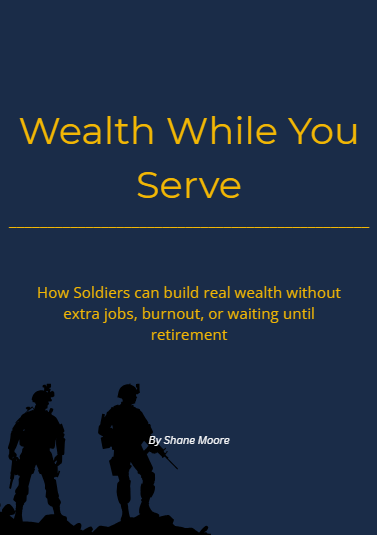
Ready to Start Building Wealth While You Serve?
Grab the free guide built for service members who want more than just survival mode. Whether you're in the barracks or deployed overseas, this is your first step toward real freedom.
Helping Soldiers Build Real Wealth While They Serve
We share practical tools, smart financial strategies, and military-friendly resources. Our goal is to help you stop just surviving and start building real freedom.

The information provided by Wealth While You Serve is for educational purposes only and does not constitute financial, legal, or tax advice. Always consult a qualified advisor before making financial decisions. Some links on this site are affiliate links, which means we may earn a small commission at no extra cost to you. This helps us continue offering free resources for military members and their families.
Created with ©systeme.io